

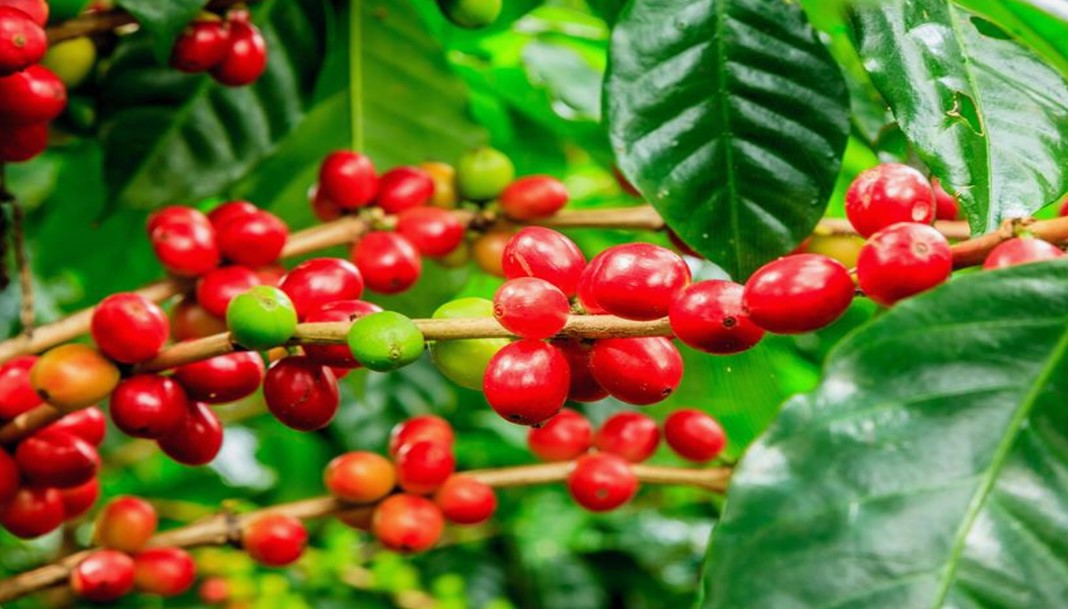
Small-scale farmers in Uganda are often isolated and vulnerable to economic and environmental shocks. The Community-Based Coffee Co-ops for Sustainability program helps farmers build resilience through collective action. Farmers come together to share knowledge, pool resources, and strengthen their position within a volatile agricultural system. This cooperation yields coffee, dignity, equity, and a renewed sense of agency.
Yonder Life Africa has its home and operational seat in Fort Portal, formerly known as Kabarole, a city in Western Uganda. Designated as Uganda’s Tourism City, Fort Portal is a major exporter of agricultural products such as coffee, bananas, and maize. Yet behind this apparent abundance lies a stark contradiction. In the Tooro region, nearly four out of every ten children experience stunting as a result of food and nutrition insecurity, according to the Uganda Demographic and Health Survey of 2022. The causes are complex and interconnected, ranging from the excessive sale of local produce for cash to monotonous diets, food safety concerns, and the pressures of rapid urbanization.
As the demand for affordable food increases, particularly in urban areas, the informal food sector has expanded. Street food vending has become more common, often compensating for gaps in affordability and access, but also highlighting systemic weaknesses in food safety and nutrition. At the same time, years of poor soil management and limited use of regenerative agricultural techniques have steadily degraded soil quality, undermining long-term productivity. Addressing food and nutrition security therefore requires more than increasing yields. It means investing in community capacity to make informed dietary choices, improving agroecological food systems, and implementing policies that confront root causes like poverty and inequity.
From Farming to Experience: An Integrated Model
Within this context, Yonder Life Africa has carved out a model that links agriculture, hospitality, and community empowerment. Operating within the hospitality and beverage sector, the organization integrates coffee farming with value addition and agrotourism. High-quality coffee is grown and processed locally, increasing its market value while opening new economic pathways for farmers. Visitors are invited into this process, learning about cultivation, processing, and tasting while engaging directly with Uganda’s agricultural landscape. Agrotourism becomes not just an experience, but a tool for education, sustainability, and income diversification.
This integrated approach responds directly to the realities facing coffee farmers across Uganda. Many receive prices that fail to cover the costs of sustainable farming, leaving little room for reinvestment or improved livelihoods. Environmental pressures such as climate change, soil depletion, and water scarcity further strain traditional farming methods, while limited access to markets prevents many producers from reaching buyers who value high-quality, ethically sourced coffee. Beyond economic constraints, mental health remains a largely unaddressed issue. Farmers endure stress linked to price volatility, unpredictable harvests, and harsh working conditions, while workers throughout the hospitality sector face long hours and job insecurity. Financial literacy is often limited, making it harder for individuals to plan, save, or scale their activities. At the same time, the environmental footprint of coffee production and hospitality, including waste from packaging, water use, and byproducts, raises urgent questions about long-term sustainability.
Building Fair and Sustainable Futures
The Community-Based Coffee Co-ops for Sustainability and Empowerment project was designed to confront these challenges holistically. By establishing cooperative structures, with support from the Negroni Week Fund, the project enables farmers to collaborate rather than compete in isolation, improving bargaining power and access to markets. Training programs focus on organic farming and climate-resilient practices to improve quality while protecting ecosystems. Fair trade principles aim to ensure that farmers are paid wages that reflect their labor and expertise. Crucially, the project also integrates mental health services and financial literacy programs, recognizing that economic resilience and personal well-being are inseparable. Direct marketing platforms and national and international connections further strengthen the coffee supply chain, while waste reduction and environmentally responsible practices help reduce the sector’s ecological impact.
This work is reinforced by long-term cooperation between Yonder Life Africa, Legacy Coffee, and other partners who share a commitment to sustainable development. Their collaboration is built on pooled expertise and a shared vision of enduring impact. Together, they aim to establish coffee cooperatives capable of adapting to environmental and market changes, expanding gradually into related fields such as agrotourism. Ongoing training and knowledge exchange support climate-smart strategies and fair-trade certification, opening doors to global markets. Mental health initiatives and financial education enhance economic stability, with the potential for future microfinance solutions. Environmental monitoring ensures that progress remains measurable and responsive over time, while broader ambitions include expansion into education, healthcare, and social inclusion.
At its core, the project recognizes that the coffee industry, vital to Uganda’s economy, depends on the well-being of the people who sustain it. Small-scale producers, baristas, and hospitality workers face overlapping challenges of low pay, insecure work, and mental strain. Women and youth are particularly affected by limited access to education and unequal opportunities, reinforcing cycles of inequality. By addressing wages, mental health, environmental sustainability, and empowerment together, the Community-Based Coffee Co-ops for Sustainability and Empowerment project offers a model of change rooted in solidarity rather than extraction. It is an approach that treats coffee not as a commodity, but as a foundation for farmers, communities and shared futures.
