

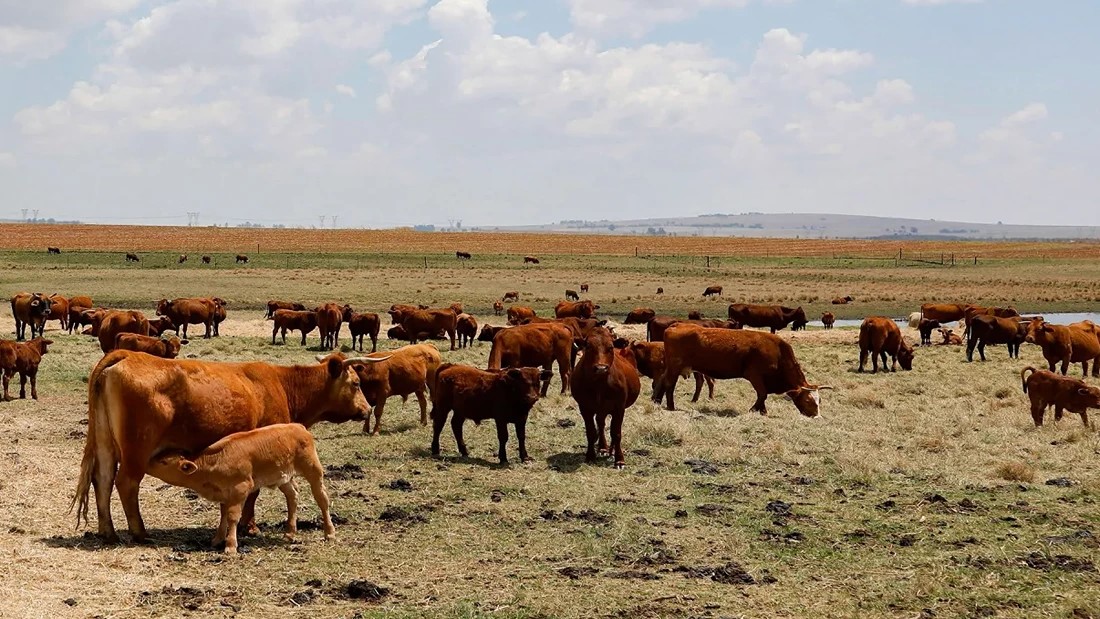
MWANZA, Tanzania — State-run research agency Tanzania Livestock Research Institute (TALIRI) Mabuki is establishing village demonstration hubs across Mwanza Region to modernise pastoral practices and secure stable raw-material pipelines for industrial processors.
Under the initiative, the agency will set up at least three demonstration farms in every district across Mwanza, with Kwimba and Misungwi selected as initial deployment zones within the current financial year. The program focuses on accelerating the adoption of high-yield hybrid cattle, poultry, and fast-growing goat crossbreeds to improve output across local agricultural value chains.
The initiative comes as East Africa’s second-largest economy moves to commercialize its agricultural sector and align productivity with its Vision 2050 development framework. By upgrading livestock genetics and farming techniques, researchers aim to help pastoralists transition from subsistence grazing to high-yield commercial production.
“The Boer genetics account for 55 per cent, Kamorai 30 per cent and 15 per cent from local breeds,” said Dr. Godfrey Chasama, Mabuki Research Coordinator, describing the agency’s Malya goat hybrid. “This combination produces fast-growing goats, with males reaching up to 40 kilogrammes within two to three years, compared to about 17 kilogrammes for local breeds.”
Parallel to the production drive, the Tanzania Medicines and Medical Devices Authority (TMDA) has kicked off outreach efforts to curb the widespread misuse of pharmaceuticals in rural herds, warning of public health risks and supply-chain exposure.
“For livestock, incorrect dosage can lead to drug resistance, forcing farmers to seek more expensive treatments and resulting in financial losses,” warned Venance Burushi, Senior Medicines Inspector at the TMDA. He cautioned that improper administration of human medicines to livestock risks leaving harmful chemical residues in consumer food products such as milk, meat, and eggs.
Rural producers say the state-led intervention addresses a persistent lack of technical expertise on the ground.
“We often use any medicine that appears to work, without understanding the long-term effects,” said Ernest Machibya, a pastoralist from Misungwi District. “This is due to limited access to professional guidance.”
