

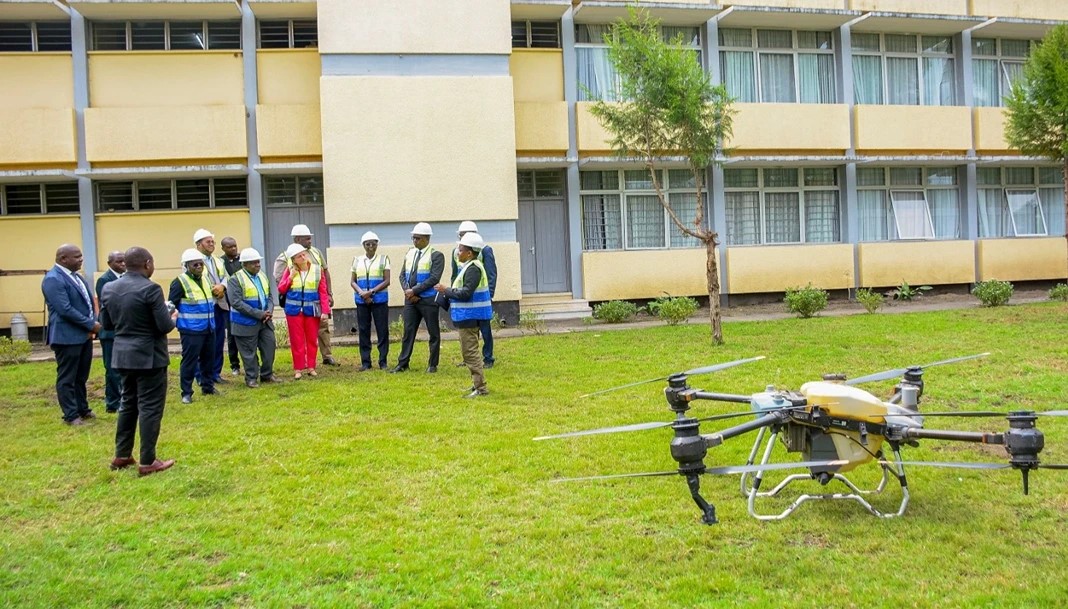
Tanzania is launching a targeted modernization of its agricultural border security to protect its €546 million ($629 million) in annual exports to the European Union, deploying tech-driven surveillance and laboratory upgrades to meet strict international import standards.
The Strengthening Phytosanitary Capacity in Tanzania (STREPHIT) initiative, funded by the EU and executed by the Food and Agriculture Organization (FAO) alongside local authorities, targets the agricultural backbone of East Africa’s largest nation. Agriculture employs roughly 60% of Tanzania’s domestic workforce and accounts for approximately one-third of its gross domestic product.
Under the infrastructure program, the state is rehabilitating and upgrading eight central plant health laboratories to scale up diagnostics for crop pests and diseases. To shore up transit integrity, the project is deploying 20 mini-laboratories directly to strategic border checkpoints to manage incoming and outgoing agricultural freight.
The strategy hinges on migrating from lagging manual monitoring to digital, real-time tracking systems to identify and suppress biological threats before they contaminate high-value trade channels.
“By strengthening plant health systems, we are helping farmers and exporters meet international standards, improve compliance, and access higher-value markets,” Christine Grau, the European Union’s Ambassador to Tanzania and the East African Community, said in an emailed statement.
The institutional updates follow systemic pushes by sub-Saharan economies to capture richer value margins in Western supermarkets by reducing chemical reliance and mitigating pest infestations. EU agricultural imports from Tanzania make up more than half of the country’s total shipments to the trading bloc, anchored by horticultural products, fresh fruits, vegetables, and spices.
“As Tanzania continues to expand its agricultural exports, the need for reliable and internationally aligned laboratory infrastructure has become increasingly important,” said Professor Joseph Ndunguru, Director General of the Tanzania Plant Health and Pesticides Authority (TPHPA). “These investments represent a major step in strengthening our diagnostic and regulatory capacity.”
The structural rollout operates under the umbrella of the EU’s Global Gateway, a multi-billion-euro transnational infrastructure vehicle designed to compete with international development programs by financing trade corridors and digitizing supply chains. Alongside the border upgrades, localized training programs are being implemented to upskill agricultural inspectors and technicians.
“This is about positioning Tanzania’s agriculture for the future, ensuring that farmers, traders, and exporters can compete effectively while safeguarding food systems,” said Nyabenyi Tipo, the FAO Representative to Tanzania.
