

Governments across sub-Saharan Africa are facing a dual crisis of mounting fiscal deficits and deteriorating agricultural productivity, forcing a critical re-evaluation of the multi-billion dollar state subsidy programs that have anchored the region’s food security for decades.
A forthcoming report by the International Institute for Sustainable Development (IISD), detailing case studies from Kenya, Malawi, and Zambia, underscores how traditional state-funded support mechanisms are clashing directly with modern environmental realities and tighter national balance sheets. While broad-based fertilizer and input handouts have historically stabilized food supplies and propped up rural livelihoods, they have left state coffers drained and heavily compromised long-term soil health.
“Faced with increasing fiscal pressures and environmental challenges, governments are exploring how to reform their spending to achieve better outcomes,” the IISD said in a statement detailing the findings. Public support to the sector remains a “vital policy lever,” but the status quo has generated “significant fiscal burdens and contributed to declining soil health.”
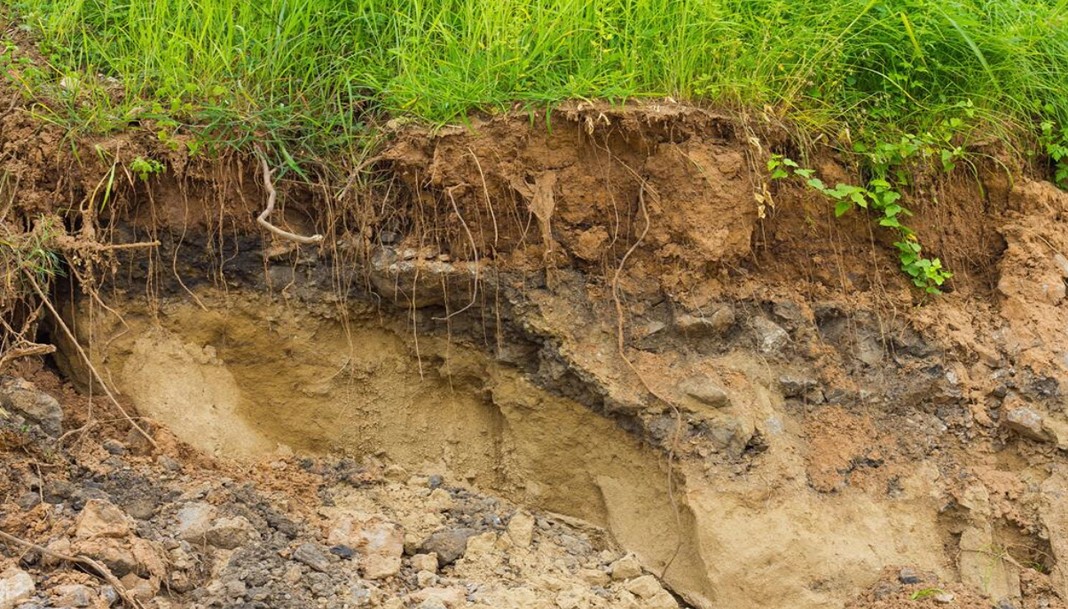
The economic stakes are particularly high for East and Southern African economies, where agriculture remains the primary employer and a major engine of gross domestic product. With global fertilizer markets experiencing severe volatility over the past two years, the cost of maintaining universal input programs has become unsustainable for highly indebted nations like Malawi and Zambia. At the same time, intensive reliance on synthetic inputs without sustainable land management has triggered nutrient depletion and rising soil acidity, threatening long-term crop yields.
The research will formally launch during an open public forum on June 24, 2026, aimed at drafting actionable blueprints for regional policymakers to transition public funds into more precise, climate-resilient allocations. The policy shift involves migrating away from blanket input handouts toward targeted incentives that reward regenerative farming, improve equity among smallholders, and strengthen institutional oversight.
“Speakers will share insights into practical pathways for policy-makers to shift public support into more sustainable practices that support soil health, strengthen transparency and accountability, and improve inclusion and equity,” the IISD noted regarding the upcoming panel.
The policy pivot is already drawing intense scrutiny from both state representatives and local farming collectives, who must balance long-term sustainability against immediate food production targets. The upcoming deployment of the findings will feature a direct debate between policymakers and agricultural leaders, including representatives from the government of Malawi, the Indaba Agricultural Research Institute (IARI), and the Kenyan National Farmers’ Federation.
Key details of the briefing session include:
- Event Date: June 24, 2026 at 3:00 pm CEST (4:00 pm EAT)
- Key Speakers: Brian Mulenga (Executive Director, IARI), Claire McConnell (Policy Advisor, IISD), and Erika Luna (Policy Analyst, IISD).
- Core Focus: Assessing the impact of agricultural reforms on climate resilience, sovereign debt pressures, and soil regeneration.
