

For decades, the standard playbook for scaling agricultural yields across East Africa relied heavily on synthetic inputs. Today, that strategy is reaching a critical tipping point. High commercial fertilizer prices compounded by ongoing geopolitical frictions and supply chain disruptions in the Middle East are forcing smallholders to confront a quieter, more systemic crisis: severe soil degradation. According to a landmark soil report by the Heinrich Böll Foundation, over 40 percent of East Africa’s soils are degraded, costing the regional economy upwards of $65 billion annually in lost productivity. In Kenya alone, nearly a third of all crop land is classified as strongly acidic the direct result of intensive farming practices, shifting climate patterns, and decades of synthetic fertilizer overuse.
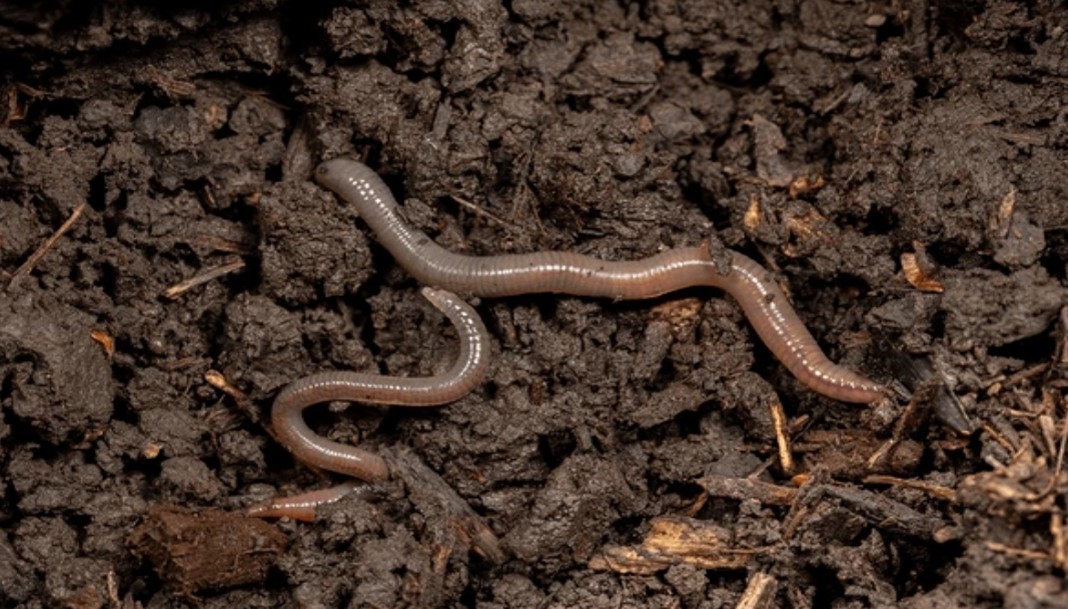
Across the country, forward-thinking producers are engineering a quiet revolution beneath our feet. In Lari, roughly 50 kilometers from Nairobi, 31-year-old farmer George Muturi has replaced conventional inputs with a low-tech, high-impact vermicomposting system. Inside a simple wooden shed, roughly 70 specialized beds house at least 350,000 redworms. Over a six-week cycle, these worms break down layers of crop waste, market food scraps, and cow manure into a nutrient-rich organic soil conditioner. Processing around 40 tonnes of organic waste every month, Muturi is part of a growing class of agri-preneurs proving that soil restoration and commercial viability can go hand in hand.
“Vermicomposting was a breakthrough for us. Our soil is much better in a way that we can plant and sustain the crop even during the dry season.” George Muturi, Founder & Farmer, Lari
While vermicompost may require significant volume to match the immediate nutrient punch of synthetic options, agroecologists note that its long-term benefits far outweigh the short-term spikes of chemical treatments. Harun Warui, an expert in agroecology, emphasizes that chemical fertilizers address only isolated aspects of soil nutrition, whereas organic compost rebuilds the broader biological ecosystem. By enhancing soil structure, organic matter content, and moisture retention, natural amendments buffer crops against severe drought while gradually reducing reliance on imported inputs.
Two hundred kilometers away in Nakuru County, agribusiness innovator Robert Mwangi is tackling the same challenge from a different angle: black soldier fly larvae. Operating under nylon structures, Mwangi collects organic waste from local urban markets and feeds it to the voracious larvae. Over a two-week feeding period, the larvae convert food waste into frass a potent organic fertilizer while the mature larvae themselves are harvested, dried, and processed into high-protein animal feed.
“With conventional fertilisers, the more you use it, the more the productivity of the soil goes down, because it creates an acidic environment which is not good for the microbes responsible for maintaining and improving soil fertility. The organic fertiliser is a very good soil amendment, so farmers are able to experience increased productivity over time and improved soil fertility, which reduces their cost of production.” Robert Mwangi, Insect Farming Innovator, Nakuru County
The economic logic driving this shift is as compelling as the ecological one. As both domestic and export markets demand cleaner, more sustainably grown food, demand for bio-fertilizers is rapidly outstripping local supply. Both Muturi and Mwangi report that market appetite for their biological inputs is currently higher than their current production capacities.
As agroecologist Harun Warui points out, scaling these biological solutions across the continent will take time, but the underlying paradigm is shifting permanently. Smallholder farmers are increasingly realizing that year-in, year-out dependence on synthetic inputs is an unsustainable strategy. By closing the loop on organic waste and rebuilding soil biology from the ground up, Kenya’s agricultural pioneers are proving that the future of African food security relies on restoring the ground beneath our feet.
