

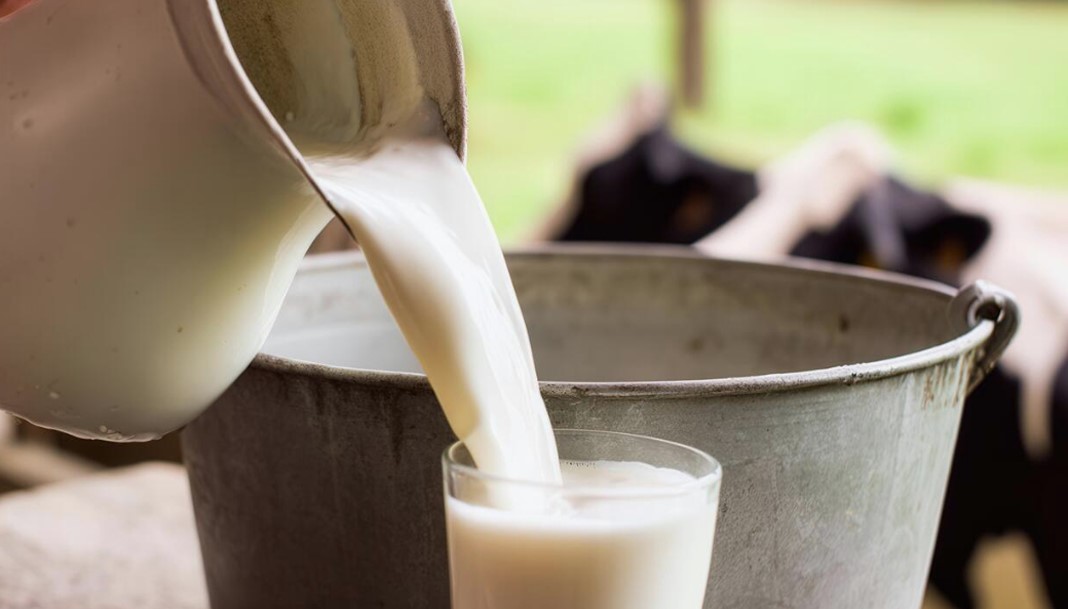
The cyclical nature of agriculture often presents challenges that test the resilience of both farmers and the supply chains they support. Recently, Kenyan consumers have been met with reduced milk supplies on retail shelves, sparking concerns of a looming shortage and subsequent price hikes. However, the Ministry of Agriculture and Livestock Development, working in tandem with industry stakeholders, is actively implementing a multifaceted strategy to ensure this disruption remains a brief, seasonal anomaly. At the heart of the current deficit is a familiar adversary for the agricultural sector: erratic weather patterns. Limited rainfall has placed immense pressure on local fodder resources, directly impacting dairy yields across several key producing regions.
The impact of this dry spell is clearly reflected in recent industry data. According to the Kenya Dairy Board (KDB), formal milk deliveries to processors experienced a 3.7 percent contraction, falling from 84.4 million litres in June 2026 to 81.3 million litres in July. Recognizing the urgency of the situation, the government has swiftly pivoted to address the root cause of the decline animal nutrition. The Ministry is currently collaborating with feed manufacturers to identify available stocks nationwide, with plans to streamline distribution directly to dairy farmers through their local cooperatives and processing networks.
To further alleviate the pressure on livestock nutrition, broader macro-level policy shifts are in motion. President William Ruto has approved the duty-free importation of yellow maize, a measure slated for official gazettement in the coming weeks. This vital injection of raw material is expected to significantly bolster local animal feed production. Emphasizing the government’s proactive stance, Livestock Development Principal Secretary Jonathan Mueke noted that all options, including temporary cross-border imports to bridge the gap, remain on the table. “We understand where the gap is and what needs to be done to restore normalcy in the short, medium and long term,” Mueke stated. “We will keep the public updated regularly, as we monitor milk production daily.”
Market stability and consumer protection remain critical priorities amidst these supply fluctuations. Following a stringent warning from the Consumers Federation of Kenya (COFEK) demanding a transparent recovery plan to prevent price gouging, industry leaders have stepped forward to offer reassurance. Processors are committed to absorbing the current pressures without passing the burden onto the consumer. Kenneth Gitonga, Chair of the Kenya Dairy Processors Association (KDPA), characterized the supply dip as a temporary hurdle. Assuring the public that retail costs would hold steady, Gitonga noted that the sector anticipates a robust recovery driven by the upcoming seasonal shift, with supplies expected to rebound as the October, November, and December rains revitalize pastures.
Looking beyond the immediate horizon, the Ministry is laying the groundwork for a more insulated and equitable dairy economy. Recognizing that these fluctuations are part of a recurring seasonal pattern, long-term structural reforms are being evaluated. Chief among these is the proposed establishment of a dairy stabilization fund, designed to purchase excess milk during high-production gluts and strategically release it during dry spells. Furthermore, the government is working closely with cooperative sector officials to ensure primary producers receive a fairer percentage of the final retail price. Coupled with ongoing investments in milk cooling infrastructure and advanced genetics and breeding programs, these initiatives signal a determined effort to transform temporary seasonal vulnerabilities into enduring agricultural resilience.
