

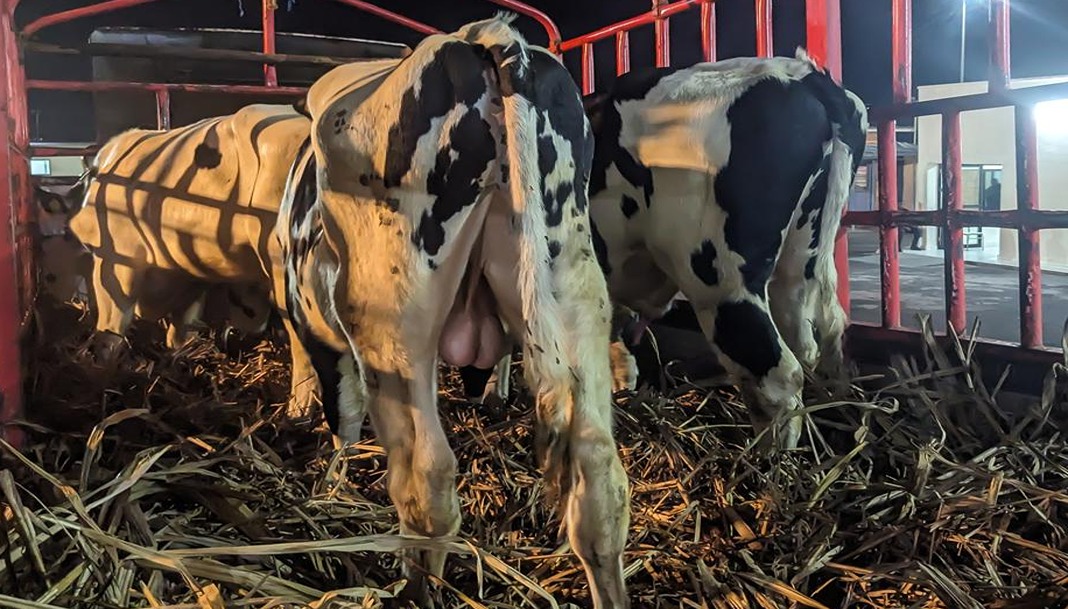
Rwanda is sharpening its push to raise milk and meat output by investing directly in elite cattle genetics, as the country looks to modern breeding tools to lift farmer incomes and close productivity gaps in the livestock sector.
The Rwanda Agriculture and Animal Resources Development Board (RAB) has received an initial consignment of 10 high-genetic-merit Holstein-Friesian bulls, imported from top breeders in Germany, to strengthen the national bovine artificial insemination (AI) programme. The animals are capable of producing offspring with milk yields exceeding 10,000 litres per lactation, significantly above current national averages.
A further 20 bulls are expected in April 2026, expanding the genetic pool to include Jersey and Brown Swiss for dairy production, alongside Angus and Charolais breeds aimed at improving beef quality and growth rates. Officials say the expanded mix will improve both productivity and resilience across Rwanda’s dairy and beef value chains.
By increasing access to superior semen, the programme seeks to address long-standing constraints faced by farmers including limited availability of high-quality genetics and uneven AI coverage. The goal is to translate genetic gains into higher on-farm output, better milk quality and stronger market returns for producers.
The imports form part of a broader investment in a Centre of Excellence in Bovine Genetic Improvement at Songa in Huye District. The facility is designed to anchor advanced reproductive technologies such as artificial insemination and embryo transfer, while also serving as a national platform for training, research and innovation in livestock development.
Beyond genetics, the centre is expected to play a key role in building technical capacity among farmers and livestock technicians, helping to ensure that genetic improvements are supported by better herd management and animal health practices.
The initiative aligns with Rwanda’s fifth Strategic Plan for the Transformation of Agriculture (PSTA 5) and the National Strategy for Transformation (NST2), which target annual milk production of more than 1.32 million metric tonnes by 2028/2029. By linking genetic investment with productivity targets, authorities aim to strengthen food and nutrition security while accelerating the commercialisation of the livestock sector.
