

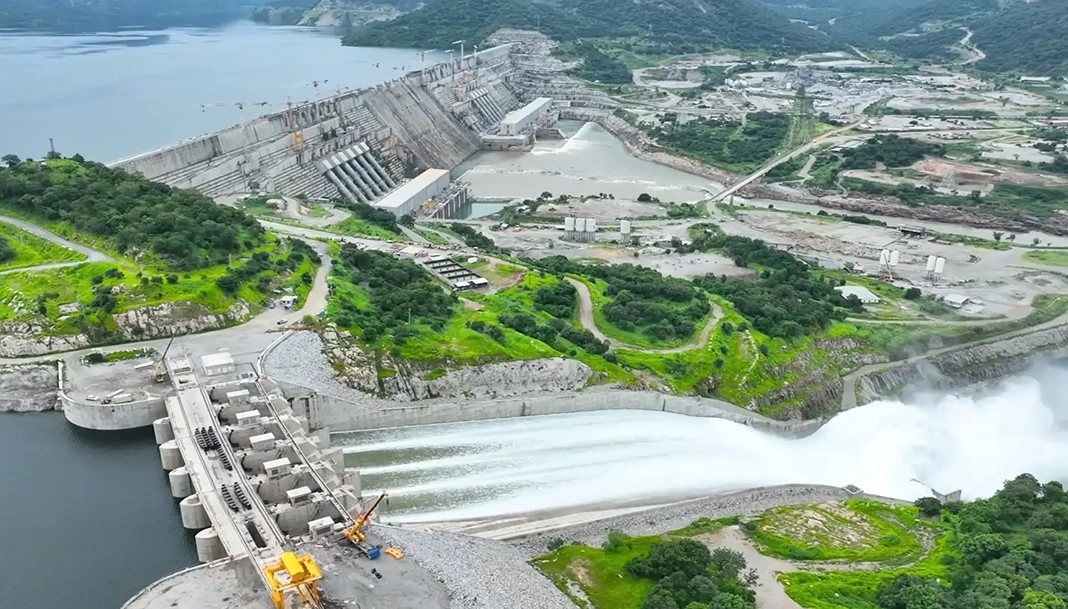
Ethiopia’s landmark Grand Ethiopian Renaissance Dam (GERD) a project whose power-generation grid is critical to regional energy markets across East and Southern Africa, including power-strapped nations like Zambia is rapidly emerging as an agricultural and trade powerhouse.
Production at Negat Lake, the sprawling reservoir created by the megadam on the Aby (Blue Nile) River, reached 10,799 tons of fish for the Ethiopian fiscal year ending July 7, 2026. The output represents a doubling of yields compared to 2017 levels, providing fresh momentum for Ethiopia to address regional protein shortfalls. The boom comes as landlocked neighbors and regional trading partners across Sub-Saharan Africa such as Zambia, which heavily relies on regional imports to plug a deficit in its domestic demand look toward expanding East African trade networks for food security.
“We currently have 46 fishing cooperatives actively operating on the lake,” said Dr. Birhanu Iticha, Deputy Head of the Animal and Fisheries Development Sector at the Benishangul-Gumuz Agriculture Bureau. “This surge in production demonstrates the region’s expanding capacity, and we expect even more cooperatives to join in the coming year as we scale operations.”
A New Trade Engine for the Horn and Beyond
Located in the Guba district of the Benishangul-Gumuz Region near the Sudanese border, Negat Lake features over 70 islands. Beyond its core mission of hydroelectric generation, the reservoir is evolving into a multi-sector economic catalyst, fueling commercial transport, eco-tourism, and inland commercial fishing.
The economic spillovers extend beyond the reservoir’s banks:
- Urban Supply Chains: The bulk of the catch is being routed to major consumer centers, including Addis Ababa, creating vital income streams for rural fishing unions.
- Riverine Expansion: Commercial fishing is expanding into adjacent catchments along the Dabus, Didessa, and Beles rivers.
- Youth Employment: Organized youth cooperatives are leveraging the lake’s resources to build sustainable, market-oriented agribusinesses.
For Southern African Development Community (SADC) economies like Zambia where inland freshwater fisheries on Lakes Kariba and Tanganyika face overfishing pressures and climate disruptions the scale of GERD’s reservoir output signals a broader shift in how African infrastructure projects are delivering dual energy and agricultural dividends.
“Negat Lake is creating tangible employment opportunities for our youth,” Dr. Birhanu added. “By organizing into cooperatives, young people are not only generating sustainable incomes for themselves, but also boosting the broader economic resilience of their families and communities.”
