

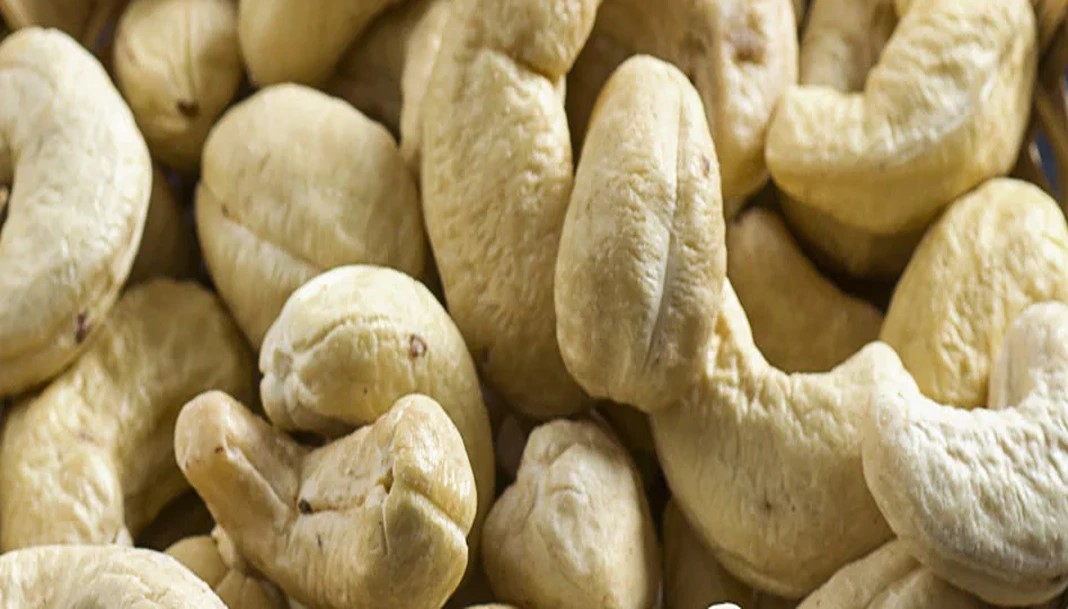
Dodoma – Tanzania’s government is pushing to modernize its cashew industry, with a strategic pivot from simply increasing production to building out critical infrastructure. As the nation targets a record 700,000 tonnes of cashew production for the 2025/2026 season, a key focus is on solving chronic storage challenges.
Minister for Agriculture Hussein Bashe has directed the Cashew Board of Tanzania (CBT) and the Registrar of Cooperatives to explore a novel financing model: using revenues from the crop itself to fund the construction of new warehouses. This move is designed to create a self-sustaining solution to a problem that has historically plagued the sector.
“I urge that we start discussions on how we can use the money we get from the cooperative system to build small warehouses so that we can end the problem of cashew storage,” Bashe stated at the recent Annual Cashew Stakeholders’ Meeting.
The initiative comes as the industry celebrates significant growth. In the 2024/2025 season, production surpassed 500,000 tonnes, generating over 1.8 trillion Tanzanian shillings. The new 700,000-tonne target represents a 32.51% increase, underscoring the need for a scalable storage solution.
The Tanzania Agricultural Research Institute (TARI) is a crucial partner in this expansion, with its Naliendele branch spearheading research on soil health and value addition. TARI has also expanded its seed farms from 40 to 363 hectares to ensure a mass supply of improved cashew seeds, which are not only used domestically but also exported to neighboring countries like Zambia and Kenya.
The government’s multifaceted approach—combining direct infrastructure investment, research, and market supervision—is aimed at transforming cashew farming from a subsistence activity into a major commercial driver, boosting farmer incomes and national economic growth.
