

Stretching across thousands of miles of southern Africa, the Zambezi River is far more than a geographical landmark it is a vital economic and ecological lifeline. Its waters generate power at Kariba and Cahora Bassa, sustain millions of smallholder farmers, nourish wildlife around world wonders like Victoria Falls, and supply drinking water to sprawling communities. Yet, as severe droughts shrink reservoirs and unpredictable floods wash away precious farmland, the basin’s long-term productive capacity faces unprecedented strain.
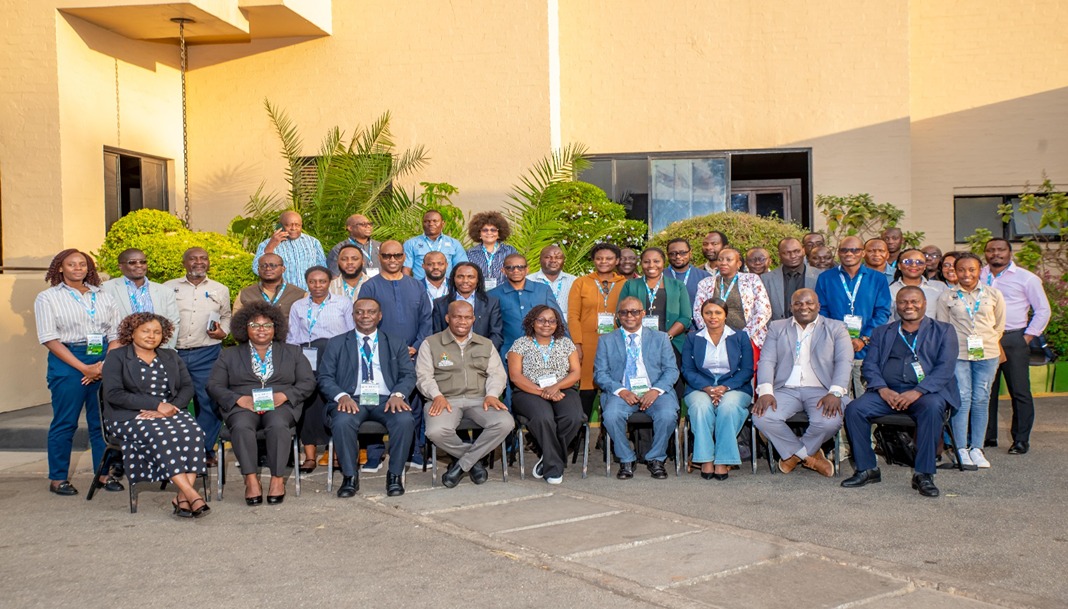
In response to these mounting climate pressures, representatives from eight southern African nations gathered in Harare, Zimbabwe, in early September to forge a unified path forward. The workshop marked a pivotal milestone in advancing the proposed $130 million regional investment initiative known as the Programme for Building Resilience of Food, Livelihoods and Ecosystems in the Zambezi River Basin (BREFOLE-ZRB). Bring together key leadership from the Zambezi Watercourse Commission (ZAMCOM), the African Development Bank (AfDB), the UNCCD Global Mechanism, and the Government of Zimbabwe, the meeting served as a crucial precursor to the programme’s official appraisal mission.
The ambitious initiative unites Angola, Botswana, Malawi, Mozambique, Namibia, Tanzania, Zambia, and Zimbabwe around a single core mandate: shift away from isolated national fixes and embrace coordinated regional action. During the sessions in Harare, stakeholders fine-tuned the technical design, mapped out financing allocations, established geographic priorities, and set strict environmental and social safeguards to ensure the funds reach the most vulnerable ecosystems and populations.
Regional delegates underscored that the success of BREFOLE-ZRB will depend heavily on moving past policy discussions and taking direct responsibility on the ground. “The time has come to move from programme preparation to programme ownership and action,” urged Engineer Emma Ndhlovu, Senior Water Officer in Zambia’s Ministry of Water Development and Sanitation, calling on all parties to translate their shared vision into tangible, lasting results for local communities.
For major development partners, the $130 million commitment must deliver measurable impacts on human livelihoods, food supplies, and local economies. Dr. Laouali Garba, Division Manager for Agricultural Research, Production and Sustainability at the AfDB, stressed that these resources must generate real employment particularly for women and youth while mitigating climate risk across the region. “We planted together, and we need to harvest together for the benefit of the most vulnerable communities of the Zambezi basin,” Garba remarked.
Balancing individual national interests with shared basin-wide priorities remains central to the project’s strategy. ZAMCOM Executive Secretary Felix Ngamlagosi noted that while each participating country faces distinct local realities, their efforts must align toward common goals. “While the individual investments must respond to the priorities of each participating country, they must all contribute to common basin-wide results,” Ngamlagosi explained, pointing to the urgent need for synchronized responses to land degradation and ecosystem loss. Supported by coordinated funding streams from the Climate Investment Fund, the AfDB, the African Development Fund, and the Global Environment Facility, this landmark agreement sets the stage for a resilient, interconnected future along southern Africa’s greatest river.
