

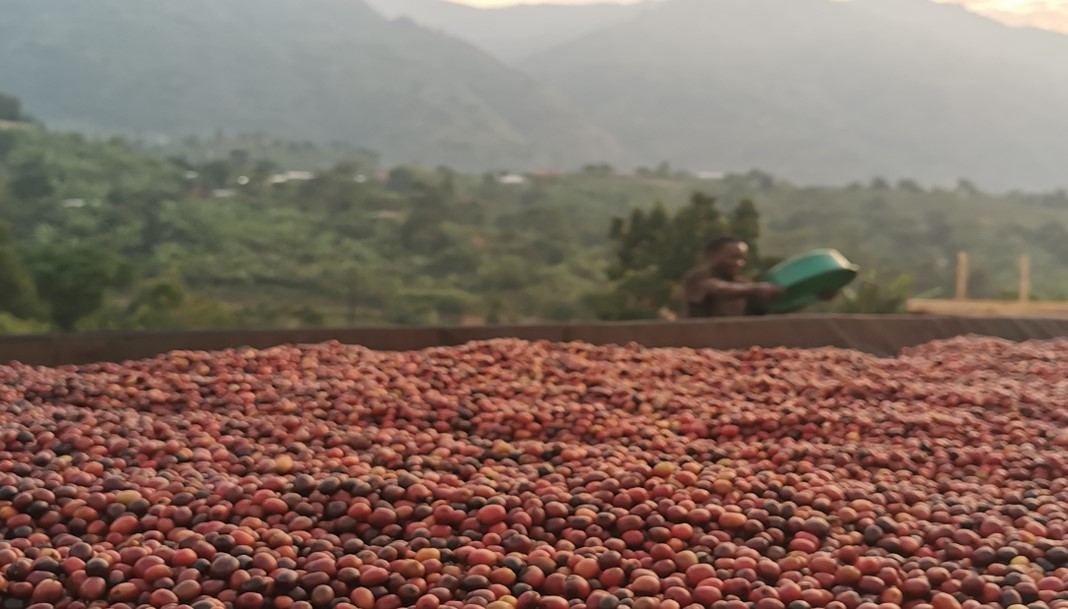
The Ugandan coffee sector is currently witnessing an extraordinary metamorphosis, evolving from a traditional raw material exporter into a formidable powerhouse within the global arena. This transformation is underscored by a remarkable 17.3% year-on-year surge in export volumes as of February 2026, with annual earnings now reaching an estimated $2.5 billion. Such growth is not merely a statistical anomaly but rather the result of a deliberate long-term strategy focused on scaling production, implementing robust policy reforms, and securing a more dominant market position. By exporting over 650,000 bags in a single month, Uganda has successfully outpaced Ethiopia to claim the title of Africa’s leading coffee exporter by volume, a feat driven by maturing plantations and strategic government-led seedling initiatives.
At the heart of this economic resurgence is the Robusta bean, which constitutes more than 80% of the nation’s total output and remains a vital component of the global instant coffee supply chain. This sector has become a fundamental pillar of the national economy, generating substantial foreign exchange that bolishes currency resilience and stabilises the balance of payments. Beyond the macroeconomic indicators, the coffee industry serves as a lifeline for approximately 1.8 million rural households. Improved farmgate prices and expanded agribusiness opportunities are directly enhancing rural livelihoods, while simultaneously shaping industrial policy towards local processing and the development of speciality brands.
“Uganda is no longer just a participant in the global coffee trade; it is becoming a primary architect of its own market destiny through value addition and strategic scale.”
This upward trajectory is deeply rooted in historical resilience and structural liberalisation. While the industry faced significant decline during the political instability of the 1970s, the dismantling of state monopolies in the late 1980s paved the way for private sector participation and fairer pricing for farmers. Today, with agriculture contributing over 26% to a $64.99 billion GDP, coffee acts as both a growth engine and an economic stabiliser. While Ethiopia maintains a prestigious reputation for premium Arabica, Uganda’s comparative advantage in high-volume, cost-efficient Robusta production has allowed it to consolidate its influence across European markets and beyond.
However, the path to sustained dominance is not without its hurdles, as the industry must navigate biological threats like Coffee Wilt Disease and the unpredictable nature of global price volatility. To maintain this momentum, the nation is increasingly focusing on climate-resilient farming and digital agriculture to mitigate environmental risks. The future of the sector lies in its ability to transition further away from a purely volume-driven model toward a sophisticated, value-oriented industry. By deepening its involvement in roasting, branding, and speciality markets, Uganda is well-positioned to leverage its current success into long-term, diversified economic prosperity.
