

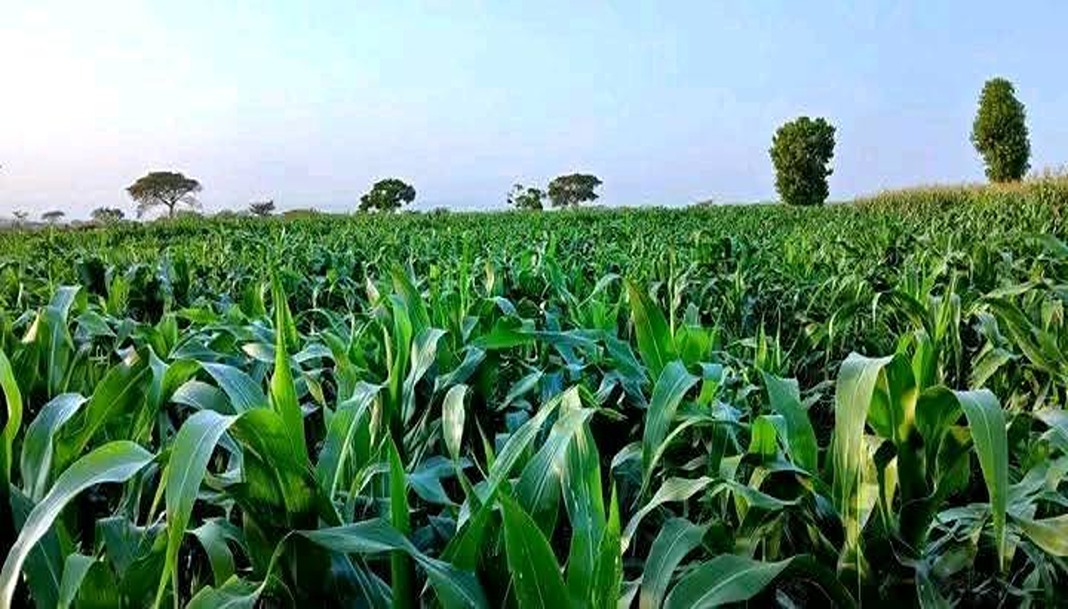
Addis Ababa, Ethiopia – A new study is sounding the alarm on a growing fungal threat to maize crops in Southwestern Ethiopia, with implications for food security in the region and beyond. Researchers have identified a “striking diversity” of pathogens, including Fusarium, Colletotrichum, and Alternaria, that are rapidly adapting to local environmental conditions, jeopardizing a staple crop for millions.
The research, published in “Discover Agriculture,” reveals that these fungi have unique pathogenic attributes, with their virulence linked to specific maize varieties and environmental factors like humidity and temperature. The findings underscore the need for a sophisticated, data-driven approach to disease management that moves beyond traditional methods.
The study points to a silver lining: certain maize cultivars show a “remarkable resilience” to some fungal isolates, suggesting that plant breeding for disease resistance could be a viable strategy. This would require integrating modern molecular techniques with traditional farming knowledge to develop resilient crop varieties.
The researchers advocate for a multifaceted strategy that combines cultural practices, biological control, and the judicious use of fungicides. They also propose leveraging agritech solutions, such as remote sensing and data analytics, to provide farmers with real-time insights into crop health and potential disease outbreaks.
The findings resonate globally as climate change continues to alter agricultural landscapes, making crops more vulnerable to pathogens. The study serves as a call to action for policymakers, researchers, and farmers to collaborate on innovative and sustainable solutions to protect food production from the growing threat of plant diseases.
