

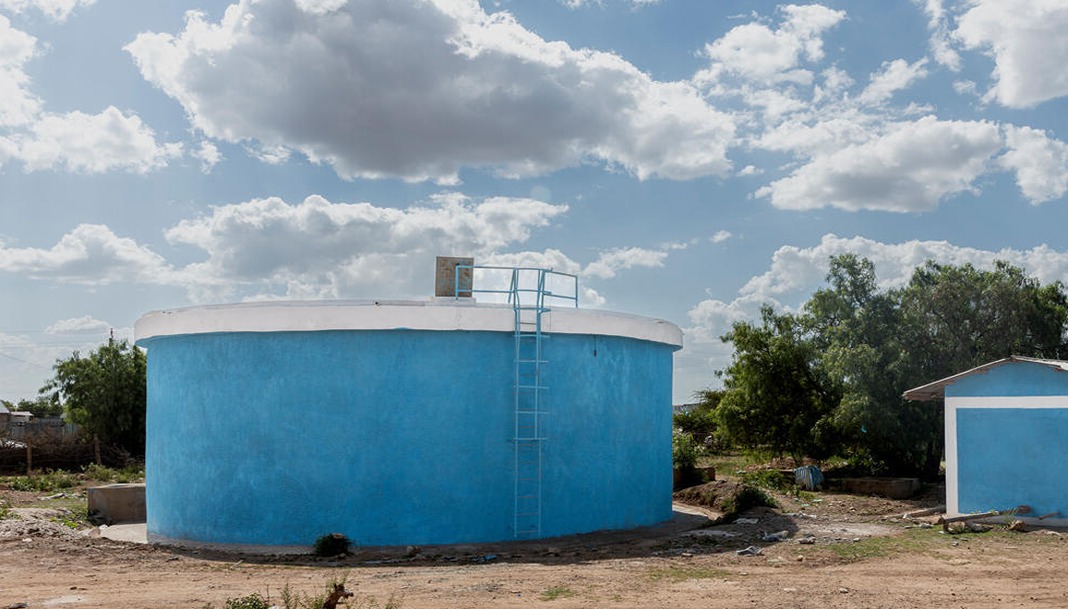
A joint United Nations and European-backed initiative to provide water and sanitation infrastructure across East Africa has surpassed its targets, driving down water production costs and reducing service outages in communities destabilized by conflict and climate change.
The Regional Programme on Water and Sanitation for Refugees, Internally Displaced Persons and Host Communities in East Africa (R-WASH) has reached more than 243,000 people across Ethiopia, Somalia, and Sudan, according to a recent evaluation. The figure exceeds the program’s initial target by more than 20%, highlighting the efficacy of transitioning from emergency aid to utility-led infrastructure models.
The program is jointly implemented by UNICEF and UNHCR, with primary financing from the German Federal Ministry for Economic Cooperation and Development (BMZ) via the KfW Development Bank. Additional support comes from the African Development Bank and industrial water technology provider Xylem Inc.
The evaluation points to significant macroeconomic and logistical efficiencies gained by moving away from temporary humanitarian relief toward climate-resilient engineering. In Ethiopia, shifting from emergency water trucking to utility-managed piped systems reduced water production costs by more than 90%.
“Access to safe and reliable water is not only essential for children’s survival and health, it is also fundamental to dignity, resilience and stability,” said Etleva Kadilli, UNICEF Regional Director for Eastern and Southern Africa. “Through R-WASH, we are helping communities facing displacement and climate pressures build stronger, more prosperous futures whilst laying the foundations for sustainable services that can last well beyond humanitarian crises.”
In addition to cost reductions, the infrastructure upgrades—which include solar-powered pumping systems and network rehabilitation—have dramatically stabilized local supply chains. In Somalia, the proportion of households suffering 24-hour water interruptions plummeted from 83% to 38%. Simultaneously, localized water production costs dropped by 22% in Sudan and 16% in Somalia.
The results arrive as the African Union designates 2026 as the Year of Water and Sanitation, a policy focus aimed at addressing acute resource scarcity across the continent. Financial backers note that early investment in structural services helps mitigate the long-term financial drain of protracted regional crises.
“These findings demonstrate the value of investing in sustainable systems from the start of crises including displacement situations,” said Mamadou Dian Balde, UNHCR’s Regional Director for Eastern and Southern Africa. “By strengthening local services providers and supporting solutions that benefit both displaced and host communities, we can improve access to essential services while helping communities adapt better.”
Development officials argue that pairing public capital with private-sector technical capacity offers a scalable blueprint for meeting the United Nations Sustainable Development Goal 6 (Clean Water and Sanitation).
“The joint efforts of UNICEF, UNHCR, KfW, the African Development Bank, and private-sector partners such as Xylem are of immense value to the R-WASH programme,” said Henrike Klau-Panhans, Director of the KfW Regional Office for the Horn of Africa. Klau-Panhans noted that combining infrastructure capital with localized training and technical equipment creates a “holistic approach” capable of surviving beyond the life of the initial humanitarian intervention.
